My cat Nala has asthma, and her fluticasone inhaler helps control her airway inflammation. Getting the medication was the easy part. I worked her prescription down from about $1,400 a year at a U.S. pharmacy to around $200 a year in Mexico, and that whole playbook is in our guide to lowering chronic pet medication costs.
Then I had to actually give it to her.
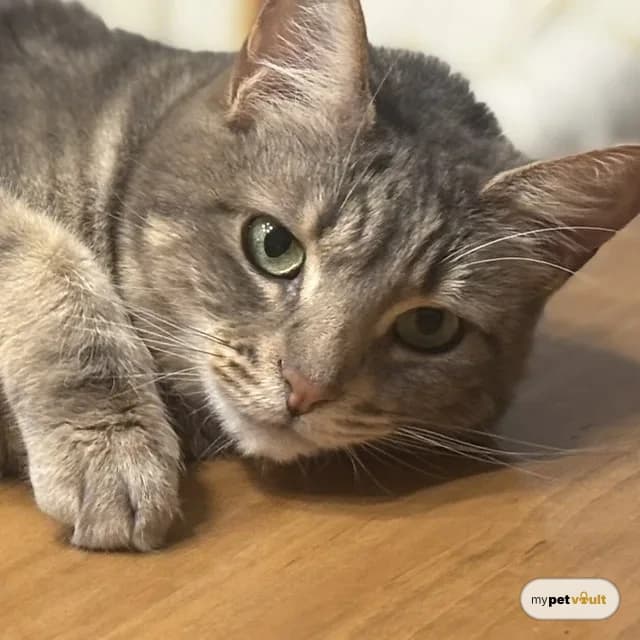
Nala is severely anxious. When she felt cornered, when she saw me coming with the spacer, or felt hands closing around her, she would urinate out of pure fear. On the floor, on the mat, once on me. Every dose was a small betrayal, twice a day, and she started hiding when she heard the kitchen drawer where the inhaler lived.
If your cat does this, you are not a bad owner and your cat is not being difficult. A cat who pees from panic is a cat whose routine is scaring them, and routines can be rebuilt. What follows is what actually worked for us. It took weeks, not days, and none of it involves holding a cat down harder.
The honest disclaimer: none of this replaces your vet's instructions. Dose timing, anxiety medication, and any change to how a drug is given are your vet's call, especially the interaction warning further down.
Stop the chase-and-corner routine
This was my first mistake. Cats read body language better than we read theirs. If you walk toward your cat holding a towel, with something hidden behind your back, their stress spikes before you've touched them. Then there's a chase, a corner, a grab, and the medication itself becomes the least of what they're afraid of.
What changed everything was making dosing boring and predictable instead of an ambush:
- Same place, every time.
- Same sequence, every time.
- No chasing, ever. If she walks away, pause the training session. Ask your vet in advance what to do if an actual dose is delayed or missed; do not make up your own timing or double a dose.
Build a medication station (and make it lie to your cat)
Pick one spot (ours is a specific bathmat on the counter) and put a puppy pad under it, because early on, accidents will still happen and it's easier when you're not also worried about the surface.
Then make the spot lie. Five times a day, when nothing bad is going to happen, put a high-value treat there. Let the cat walk to the station, eat, and leave. No touching, no equipment, no agenda.
You're buying a new association: this mat usually means treats, and only occasionally means medicine. A spot that is a 100% guarantee of a bad time stays terrifying forever. A spot that pays out treats five times for every one dose becomes a place the cat visits on their own, which is the moment dosing stops being a hunt.
Spacer desensitization, step by step (for inhaler cats)
Never press an inhaler mask onto a cat's face on day one and puff it. The hiss of the aerosol, inches from their ears, will terrify them, and they'll remember it every time they see the spacer.
- Leave the spacer out. Ours lived in her favorite sleeping spot for days before it went anywhere near her face during a dose. Furniture, not a medical device.
- Put the treat inside the mask. Smear a lickable treat (Churu-style) inside the rubber mask and let the cat voluntarily push their own nose in to lick it out. Their idea, their pace.
- Ask about the sound. For the AeroKat chamber, the manufacturer allows puffing before placing the mask if the sound startles your cat. Have your vet demonstrate the technique for your exact chamber and inhaler. Do not block valves or modify the device.
- Count breaths, then pay. Hold the mask only as long as your vet directed, then treat immediately, at the station. The station pays out even on dose days.
Progress looked like this for us: hiding at the drawer sound, then watching from the doorway, then walking to the mat when she saw the treat tube, with the spacer already in my hand. The peeing stopped once the ambush did.
Hiding oral meds in food (with your vet's okay)
If your cat takes pills or capsules instead (many do, on and off inhalers), ask your vet whether the medication can go in food before you ever pry a jaw open.
If your vet approves, use a small amount of a cat-appropriate treat that your cat will finish. Confirm whether the medication should be given with food, and how to tell whether the whole dose was taken.
Food instructions depend on the formulation. Itraconazole capsules and liquids can have different directions; follow the label and your veterinarian's instructions for the exact product rather than assuming a dab of food is enough.
Not every drug can be crushed, split, or mixed. Some lose effectiveness or taste so bitter the cat will reject the food vehicle forever after. Ask first; it's a one-line portal message.
Ask your vet about pre-dose anxiety support
If your cat is urinating from fear every day, that is a medical problem worth naming out loud at the vet, not a personality flaw you have to live around. Options range from daily low-dose anti-anxiety medication to situational calming help before doses or vet draws. Script 3 in our chronic medication costs guide is word-for-word what to say when you ask.
One caution that matters: azole antifungals can interact with other medicines, including some sedatives. If your cat takes an antifungal, have the prescribing vet review the full medication and supplement list before adding anxiety support. Never combine them on your own judgment.
When to call the vet
A calmer routine can help, but it cannot fix every medical or behavior problem. Call your vet when:
- Your cat is missing or refusing doses. Ask for a plan before this becomes a pattern; do not wait for a set number of missed doses.
- Breathing becomes difficult, open-mouthed, or visibly labored: seek emergency veterinary care immediately. Do not wait for a training session or a routine appointment. Ask your vet promptly about other new breathing changes.
- Appetite drops or vomiting starts, on antifungals especially, these can be the first visible signs of liver stress, which is exactly what the monitoring bloodwork in our costs guide is watching for.
- The fear is escalating or your cat urinates during handling. Tell your vet, so they can assess medical causes as well as fear and help you make a tolerable plan.
The part the log does for you
Once the routine worked, one problem remained: my memory. Was today's dose given? Did she eat less this week, or am I imagining it? When the vet asked whether she was stable enough to stretch the time between check-ins, "I think so" is a weak answer.
So I log it in MyPetVault, the pet record app I built. Every dose, ticked off when it's given, with a note when something's off: ate half, hid after, breathing sounded fine. If someone else in the household gives a dose, the hand-off log shows who gave it and when, so we can check with each other before giving the next dose. The log gives the vet a clearer history; they decide whether any change to the follow-up schedule is appropriate. A steady pet medication reminders routine is what keeps the log honest without relying on anyone's memory.
Daily medication for a chronic cat is a years-long project. The goal isn't a cat who loves the inhaler. It's a cat who walks to the mat, takes the dose, eats the treat, and gets on with her day, and an owner who doesn't dread 8 a.m. anymore.
Twice a day, every day: make it a routine, not a wrestling match. MyPetVault logs every dose, who gave it, and how your cat is doing between visits, so your vet sees the pattern and you never have to reconstruct a month from memory. Your first pet is free.
Common questions
Why does my cat pee when I try to give medication?
Fear can contribute, especially during chasing or restraint, but urination during handling should not automatically be blamed on anxiety. Tell your veterinarian about it so they can check for medical causes and help you build a gentler routine.
How long does it take for a cat to get used to an inhaler spacer?
It can take weeks, and the pace varies. Start with relaxed exposure and rewards, then ask your vet to demonstrate the mask and inhaler technique for your specific device. Keep practice gradual and get a separate plan for any doses your cat cannot tolerate.
Can I hide my cat's pill in food?
Sometimes, with your vet's approval. Food instructions differ by drug and formulation. Confirm whether it can be mixed, crushed, or split, what food is suitable, and how to make sure the full dose is taken.
Can I give my cat anxiety medication before a dose?
Only with your vet's direction. Antifungals can interact with some anxiety medicines and sedatives. Have the prescribing vet review every medication and supplement your cat takes before adding anything.
Sources & further reading
Keep reading
 Pet Bloodwork Costs: Focused Panels and When to Discuss Yearly Testing9 min readWhen Chronic Pet Meds Cost $500–$800 a Month: How Real Owners Cut the Bill16 min read