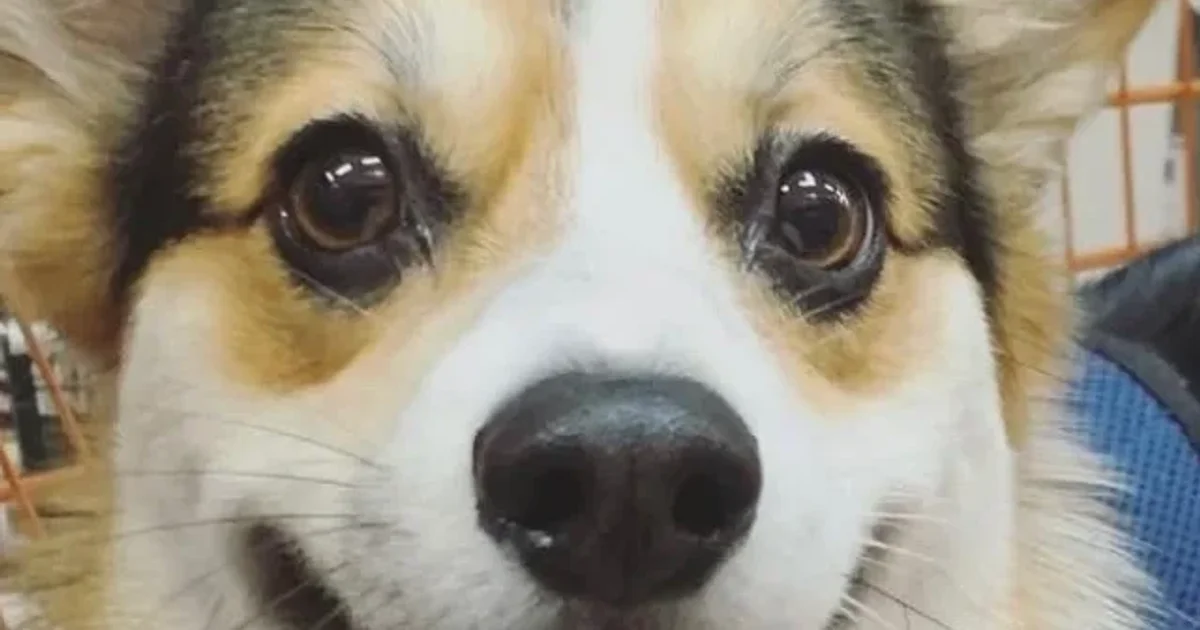
The plan nobody makes
Most families have done the responsible planning. There's a will somewhere. Someone knows where the insurance papers are, which bank, which accounts. Ask about the dog, though, and the room goes quiet.
It's not neglect; it's invisibility. A parent who has cared for their pet for ten years carries the whole system in their head. They know the vet's first name, that the pill gets split, that the dog panics at thunderstorms and hides in the bathtub. None of it feels like "information" to them, so none of it ever gets written down. The knowledge only becomes visible the moment they're not there to provide it.
Pets also live in a planning blind spot. Emergency planning tends to cover people and property, and the dog or cat (a family member who needs medication twice a day and can't explain anything to a stranger) gets an assumed answer: "Oh, you'd take her, right?" Maybe. But "you'd take her" is not a plan. A plan is you taking her knowing what she eats, what she takes, who her vet is, and where her records are at 11 p.m. on a Tuesday.
None of this requires expecting the worst. Parents travel. Parents get routine surgery with a two-night stay. Parents fall and need rehab for three weeks. The backup plan below is for the ordinary disruptions far more than the catastrophic ones, and making it is genuinely a kind afternoon's work, not a grim one.
What you'd actually need in the first 24 hours
Picture it concretely: your parent is in the hospital, you're at their house, and the dog is looking at you. Here is everything that matters that first day.
The vet and the records
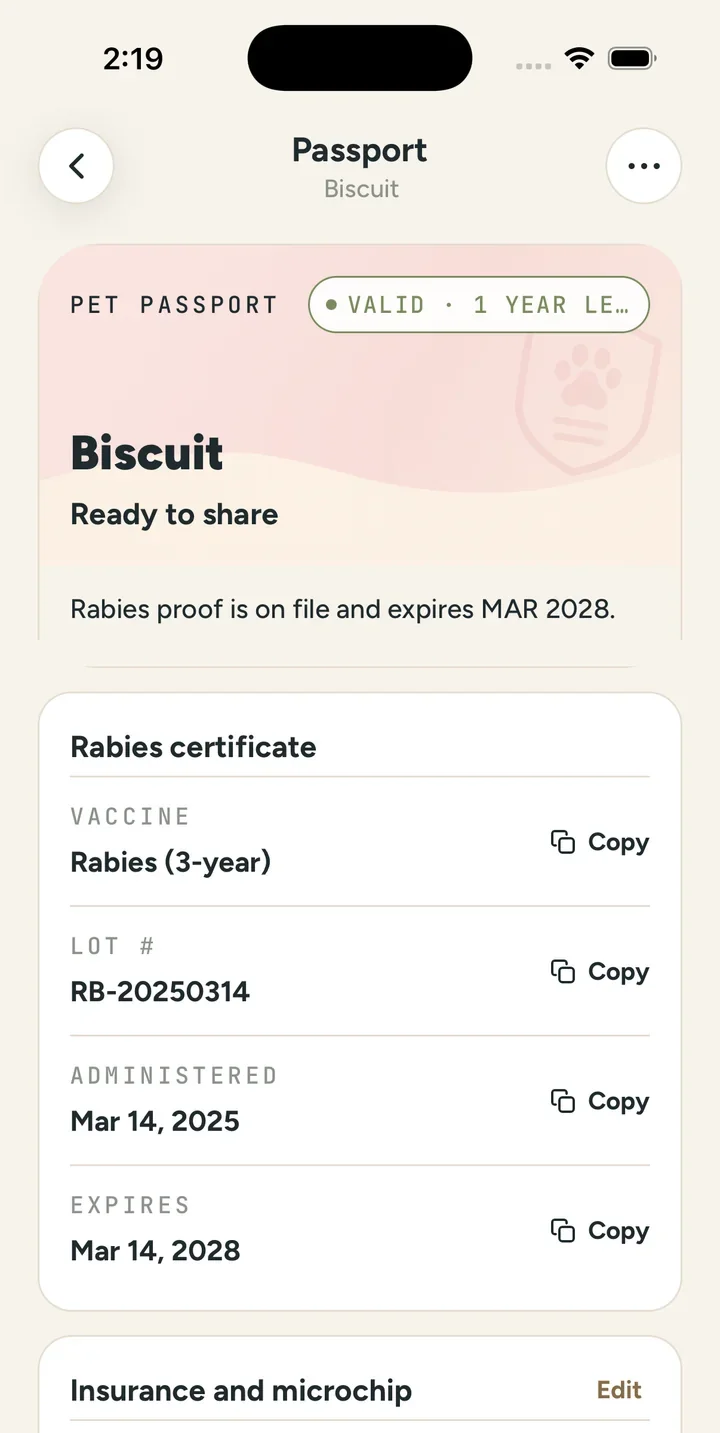
You need the clinic's name, address, and phone number, and the pet's records themselves: vaccination history, the rabies certificate, current conditions, recent visit notes, and any test results that explain ongoing treatment. Records matter faster than people expect. If the pet needs care while your parent is away (a flare-up, an injury, a refill decision), any vet treating them will want the history, and an emergency clinic will want it immediately. Rabies proof comes up constantly: boarding facilities and some groomers or sitters require it. Confirm their policies, and if your backup plan involves boarding for a few nights, no certificate can mean no stay.
Medications and the schedule
Which medications, what dose, how many times a day, with food or without, and where in the house they're kept. Also: where are refills ordered from, and is anything about to run out? Medication is the highest-stakes item on this list, because it's the one where a well-meaning guess can go wrong. "The small white pill in the morning" is not a schedule.
Food and feeding
What food, how much, how often, and any treats that are actually routine rather than occasional. Plus the prohibitions: allergies, foods that upset their stomach, the thing the vet said never again. A sudden diet change is rough on an older pet already stressed by a changed household.
Behavior and handling notes
The stuff only your parent knows. The dog is leash-reactive on the left side. The cat hides under the guest bed and must not be chased. The dog is terrified of fireworks, fine with strangers, and will bolt through an open gate. Who can actually walk this animal safely, and who should feed but not handle? These notes are the difference between a calm pet and an injured one, or an injured helper.
People the pet knows
Familiar people are a resource. Neighbors the dog adores, the niece the cat tolerates, the regular pet sitter, the friend who has a spare key. In a disruption, care from a known face is calmer for everyone, and knowing in advance who has agreed to be called, in what order, prevents a dozen relatives from each assuming someone else handled it.
The one-afternoon backup checklist
Pour coffee, sit at the kitchen table with your parent and a notebook or shared document, and work through this together. It takes about an afternoon, mostly because the stories come out along the way; let them.
- Vet clinic name, address, phone, and after-hours/emergency clinic details
- Full records gathered in one place: vaccination history, rabies certificate, insurance details if any
- Medication list: name, dose, timing, with/without food, where stored, where refills come from
- Feeding sheet: food brand and amount, feeding times, treats, allergies and forbidden foods
- Behavior notes: fears, triggers, handling quirks, who can walk/handle the pet safely
- Daily routine: walks, litter or yard routine, sleep spot, comfort items
- Named backup people, in call order, with phone numbers; each has agreed in advance
- Spare key plan: who has one, or where one is safely kept
- Home access notes: alarm code, gate quirks, where the leash, carrier, and food live
- Everything stored in ONE place the named backups can actually open, not in a single person's phone or drawer
- A review date on the calendar (see below; this plan has a shelf life)
Two small ground rules that make this work. First, your parent leads: it's their pet and their information, and the afternoon goes better as "help me be able to help" than as an audit. Second, the checklist isn't finished when it's written; it's finished when a backup person has seen it and knows where it lives.
The part everyone forgets: keeping it current
A records folder made once is a snapshot, and snapshots go stale. The vet changes. A medication is added in March and stopped in June. The rabies booster happens and the new certificate replaces the old one, somewhere. The neighbor who was backup number one moves away.
The honest problem with paper binders and static folders is that updating them is nobody's job, so it doesn't happen, and the family discovers the plan is two years old on the exact day they need it. Build the refresh into things that already happen: when the pet has a vet visit, the newest records go into the shared place as part of coming home. When a medication changes, the list gets edited the same day. Once or twice a year (a birthday, a holiday visit) someone glances at the whole plan and confirms it's still true. Five minutes, twice a year, keeps an afternoon's work from quietly expiring.
A note on what this article is and isn't
This is about continuity of care for a pet, full stop. It is not estate planning and not legal advice; questions about wills, powers of attorney, or who legally takes ownership of a pet belong with a qualified attorney in your state, and rules vary. What this plan does is humbler and more practical: it makes sure that whoever steps in (for a weekend or a season) has what they need to care for the animal well, starting on day one.
Common questions
Who should be my parent's pet backup?
Start with willingness and proximity, not obligation. The right person is someone the pet already knows, who can physically reach the home quickly, and who has genuinely agreed (out loud, in advance) to step in. Many families name two people in order: a nearby first call, and a second person for longer stretches. What matters most is that the choice is explicit, so nobody is assuming and nobody is surprised.
What records does a backup caregiver actually need?
The short list: the vet's contact details, vaccination history with the rabies certificate, current medications and schedule, known conditions and allergies, and feeding instructions. Boarding facilities and some groomers or sitters ask for proof of rabies vaccination in particular, so keep that certificate with the rest of the records rather than filed somewhere separate. Confirm their policies.
My parent thinks this is morbid. How do I start the conversation?
Frame it around the ordinary, not the catastrophic: travel, a planned surgery, a busy season. "If you were away for two weeks, what would I need to know to take care of her exactly the way you do?" works well, because it's true and it's flattering; you're asking them to teach you their system. Most parents, once started, are relieved someone asked.
How often should we update the backup plan?
After every change, and with a light review once or twice a year. A new medication, a new vet, a new rabies certificate, or a new address for a backup person all make the old plan partly wrong. The rule of thumb: if a vet visit happened, the records in the plan should be the ones that came home from it.
What if my parent's pet needs care and I can't reach their usual vet?
Take the records with you. Any emergency or new clinic will ask for vaccination status, medications, and conditions, and having the actual documents, rather than your best recollection, helps the care team assess the history and decide which tests are needed. This is exactly the situation the backup plan exists for: the records travel with whoever is helping, not with whoever happens to be unavailable.
Care like this shouldn't live in one person's head. It's why I built MyPetVault the way I did: the records, medications, and care details live in one place (a Pet Passport and profile the whole family can share), so the person who steps in isn't starting from zero. If you're setting up the backup plan above, our companion guide to managing a family member's pet records from anywhere shows how families split the work, and the pet record app page explains how it works. Your first pet is free; set up your parent's pet before you ever need to.
Tommy Cao, founder of MyPetVault
Sources & further reading
Doing this in the app? Sharing & family help guide
Keep reading
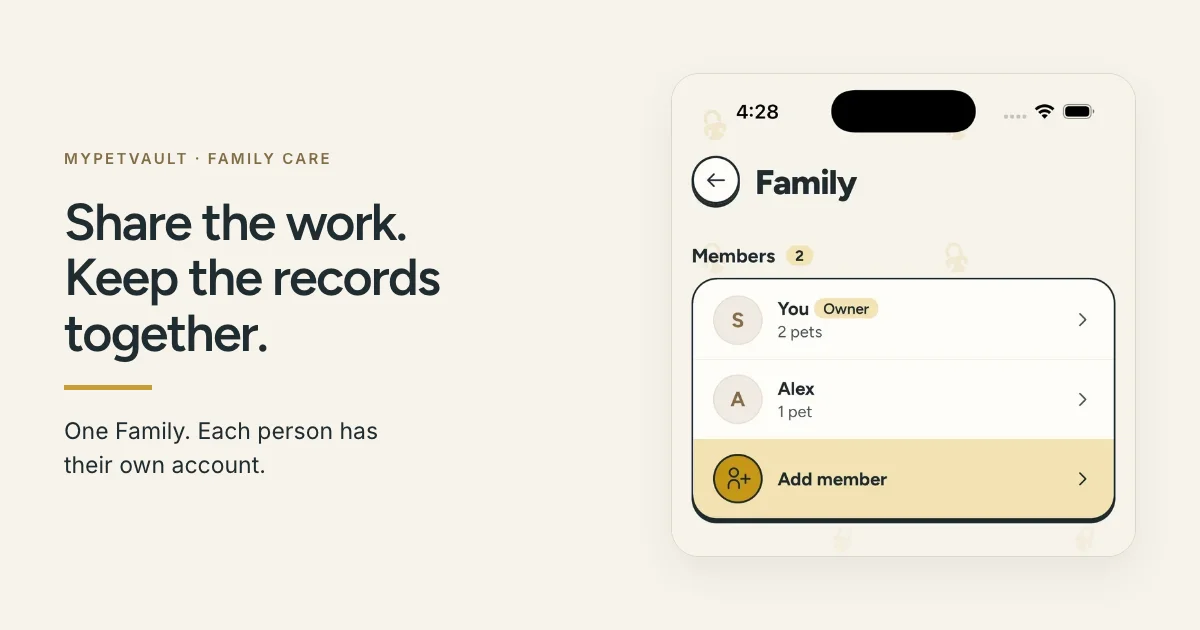 You Don't Have to Manage Your Family's Pet Records Alone10 min read
 Still Sharing a Dog After the Breakup? Keep the Care (and the Records) in One Place9 min read