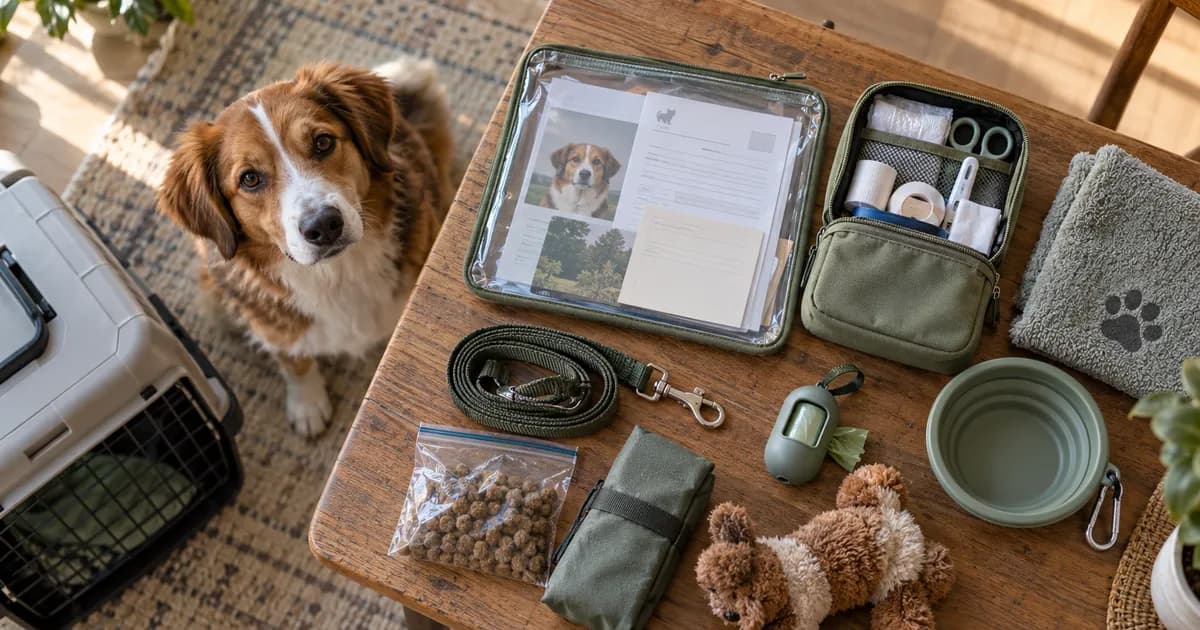
For current background, consult AVMA pet first aid preparation. Facility policies and local requirements can differ; confirm the rules that apply to your pet.
One thing before anything else: if your pet is having an emergency right now, stop reading and call your vet or the nearest emergency animal clinic first. This sheet exists so that the call (and everything after it) goes faster. It is preparation, not a substitute for veterinary care, and nothing on it should be used to diagnose or treat your pet at home.
Why one page matters
Emergencies compress everything. The person holding your pet at 2 a.m. might be your partner, your teenager, a pet sitter, or you, half awake and stressed. In that moment, nobody should be digging through a filing cabinet, a glove box, and three email threads to answer basic questions like "what medication is she on?" or "is his rabies shot current?"
Emergency clinics ask for this information because it changes what they do. A medication list with doses, known allergies, and existing conditions helps the care team avoid conflicts and skip re-asking questions while your pet waits. Vaccine status matters if there's a bite involved. A microchip number matters if your pet arrives without you. The sheet doesn't replace your pet's full records, it points to them and covers the first ten minutes.
It also helps with a familiar problem, which isn't a disaster at all: you're simply unreachable. A flight delay, a dead phone, a work trip. The sheet is what lets someone else act correctly without you.
The sheet: fill in these fields
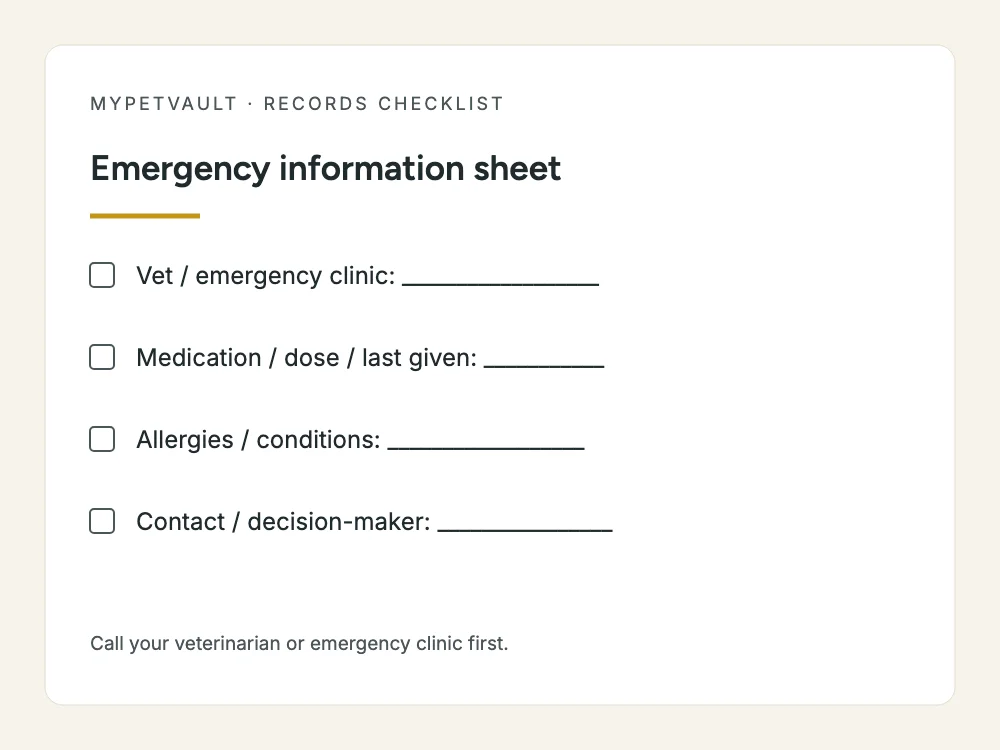
Copy this structure into a document, a note, or a printed page. Every field exists because someone, in a real emergency or a real hand-off, has needed it.
Your pet
- Pet's name:
- Species and breed:
- Age / date of birth:
- Weight (and date last weighed):
- Color and identifying marks:
- Microchip number:
- Spayed/neutered: yes / no
Medical essentials
- Current medications, name, dose, and time of day given:
- Allergies (medications, foods, other) and what the reaction looks like:
- Ongoing conditions (e.g., diabetes, heart murmur, seizures):
- Rabies vaccination, date given and expiry date:
- Other vaccinations and dates:
- Date of last vet visit:
Care contacts
- Regular vet, clinic name, address, phone:
- Emergency / after-hours clinic, name, address, phone:
- Poison control or local emergency line (if your vet recommends one):
Household contacts
- You, name and mobile:
- Backup person, name, mobile, and their relationship to the pet:
- Who is authorized to make care decisions if you can't be reached:
Coverage and daily care
- Pet insurance, provider and policy number (or "none"):
- Feeding, what, how much, and when:
- Behavior notes, fears, triggers, how they handle strangers/clinics, where they hide:
- Anything a first-time handler should know (escape artist, must be carried, reactive to other dogs):
Two fields deserve emphasis. Medications with doses and times are a useful part of the sheet, write them exactly as they appear on the label, and update the sheet the day a dose changes, not "soon." And the decision-maker line matters more than people expect: clinics can be limited in what they'll do, and a sitter can be paralyzed about spending your money, unless someone is clearly named as the person who can say yes.
The 60-second test
A sheet that can't be found is a sheet that doesn't exist. So test it the way it will actually be used:
Set a timer for 60 seconds. Hand your phone to a family member or your sitter, or imagine them standing in your kitchen at 2 a.m. while you're on a plane, and ask them to find: your emergency clinic's phone number, your pet's current medication and dose, and the rabies expiry date.
If any of the three takes more than a minute to surface, the system needs fixing, not the person. Common failures: the sheet is inside an app only you can log into, the medication list lives in a different place than the contacts, or the "sheet" is actually six separate documents. One page, findable in under a minute, is the standard.
Where copies should live
- On the fridge or inside a kitchen cabinet door, the spot every household member and sitter already knows. Paper works when phones don't.
- In the go-bag, see below; the records envelope goes in with the supplies, not in a drawer somewhere else.
- On your phone, a photo of the sheet and the underlying documents, reachable without digging through email.
- With your sitter and your backup contact, given to them before you travel, not texted during the emergency.
- With your pet's records, the sheet is a summary; the full documents (vaccination certificates, visit summaries) should be kept together in one place so the summary can always be checked against the source. Our guide to what pet records to keep covers the complete set.
The go-bag records envelope
If you keep an emergency go-bag for your pet (food for a few days, a leash, medications, a familiar blanket) add a sealed, labeled envelope or folder containing:
- A printed copy of this emergency sheet
- The rabies certificate (a copy is fine; know where the original is)
- The most recent vet visit summary
- A recent photo of your pet, showing their face and markings, in case they get lost
- A note of your insurance policy number and your regular vet's address
Paper copies feel old-fashioned until the power is out or your phone is dead. Print them once a year when you review the sheet, and swap them in.
How often to update it
The sheet is only trustworthy if it's current. Update it:
- Immediately when a medication, dose, or feeding instruction changes
- After every vet visit that adds a vaccination, a condition, or a new weight
- When contacts change, new phone number, new emergency clinic, new backup person
- At a minimum, twice a year, tie it to something you already do, like changing smoke-alarm batteries or the start of storm/fire season in your area
Put the "last updated" date at the top of the sheet. If someone picks it up and the date is old, they know to treat it as a starting point and confirm details against the full records.
Keeping the sheet and the records in one place
An emergency sheet works best when the details on it (the medication list, the rabies dates, the vet contacts) are the same ones your whole household sees the rest of the year, not a separate copy that quietly drifts out of date. That's the problem MyPetVault, a pet record app, is built to solve: your pet's records live in one place, and with household access, invited family members can use the shared records; a sitter can receive a records summary, or share a records summary by email when someone needs it in writing. The first pet is free (see how it works) and your paper sheet on the fridge still earns its place for the nights when paper is what you can reach.
Common questions
What is the most important thing on a pet emergency information sheet?
Your vet's and emergency clinic's phone numbers, and your pet's current medications with exact doses and times. Those are the two things an emergency team or a substitute caregiver needs in the first minutes, and the two things most likely to be missing or out of date.
Should I give the sheet to my pet sitter?
Yes, before the sitting starts, not during it. Walk them through where the emergency clinic is, which medications they may need to give, and who can make decisions if you can't be reached. A copy they keep beats a photo buried in a message thread.
Does the sheet replace my pet's medical records?
No. It's a one-page summary for fast decisions and hand-offs. Keep the full records (vaccination certificates, visit summaries, lab results) together in one place so the sheet can be verified and updated against them.
What if my pet has no microchip or insurance?
List "none" honestly rather than leaving the fields blank, a blank looks like missing information, while "none" is an answer. The sheet is also a good prompt: if the microchip field is empty because your pet isn't chipped, that's worth a conversation with your vet at the next visit.
How is this different from the information on a pet ID tag?
A tag carries your phone number and maybe your pet's name, enough to get a found pet home. The emergency sheet carries the medical and care detail a clinic or caregiver needs once your pet is safe: medications, allergies, conditions, vaccine status, and who can make decisions.
Sources & further reading
Keep reading
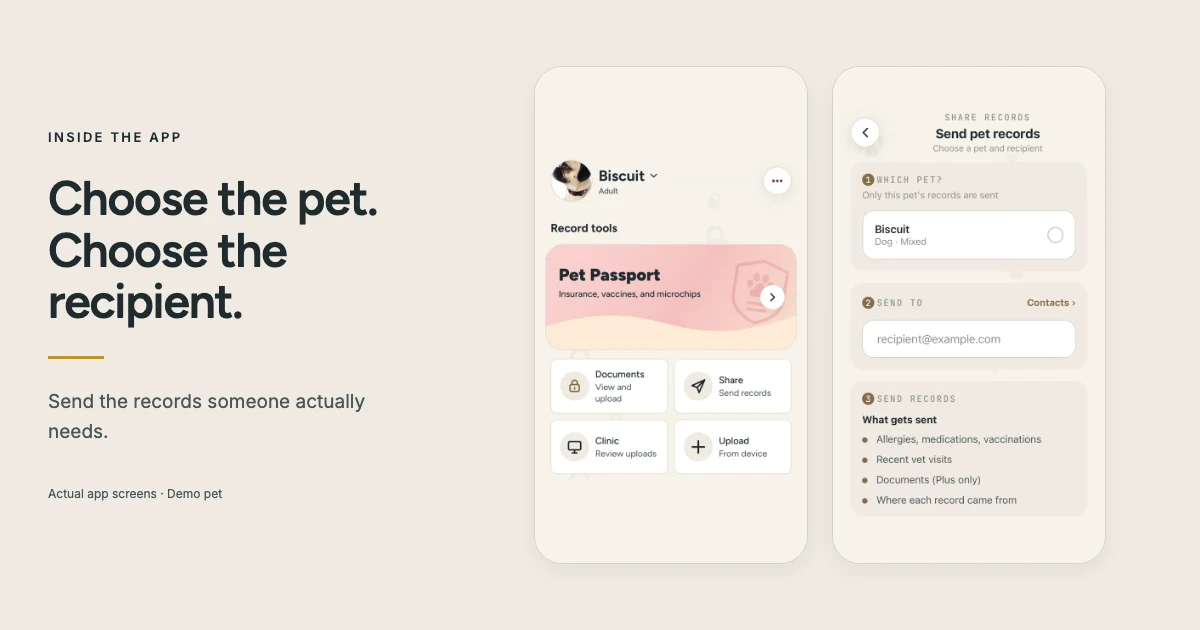 How to share pet records with a vet, groomer, boarding facility, or caregiver8 min read
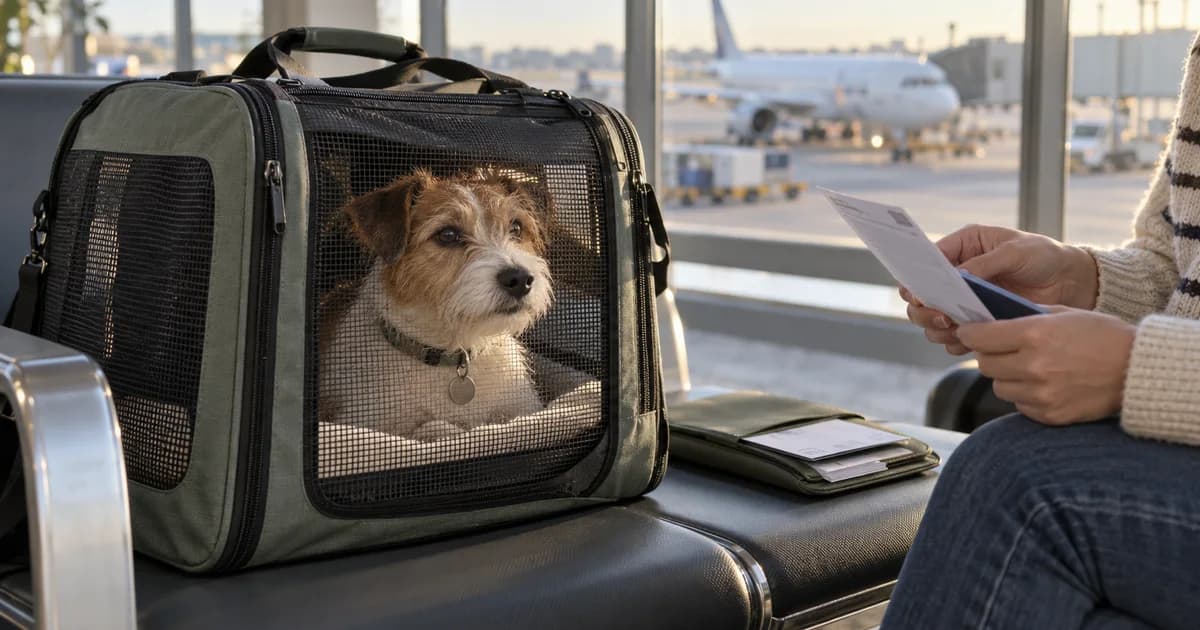 Flying With a Cat or Dog: Health Certificates, Timing, and the Records Airlines Actually Check8 min read